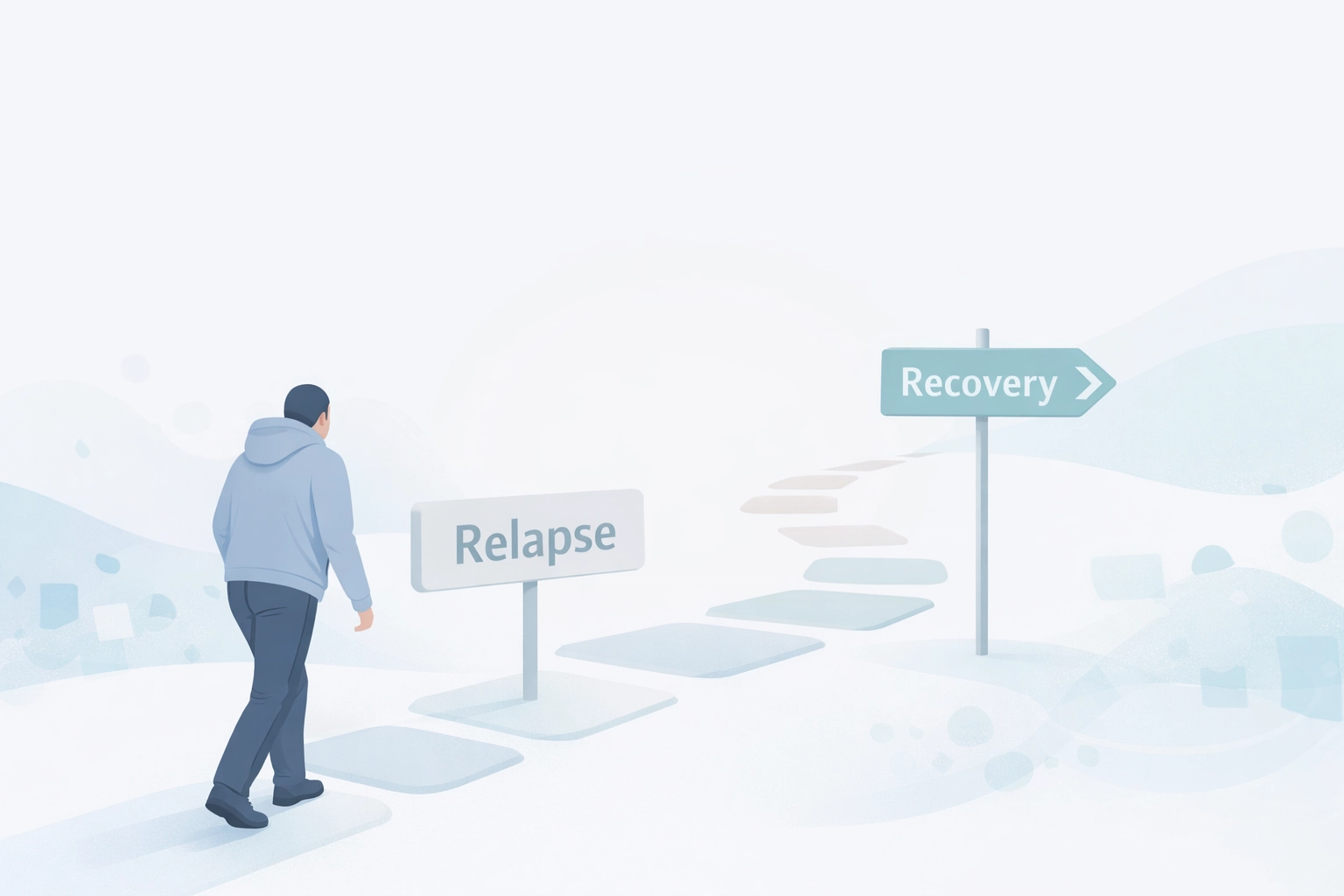
In today’s fast-paced world, we are often conditioned to believe that progress must be a straight, unbroken line toward success. We balance the demands of careers, the complexities of parenting, and the constant stream of social obligations, all while trying to maintain a sense of inner peace. When it comes to the journey of recovery from substance use, this pressure to be "perfect" can be overwhelming. Many individuals view a single slip or a return to old habits as a total collapse of their efforts, a narrative that often leads to a spiral of shame and isolation.
However, at Thrive Behavioral Health, we believe it is time to shift that perspective. Understanding that recovery is a transformative process, one that is rarely linear, is the first step toward long-term success. Relapse is not a sign of failure; rather, it is a common part of a complex behavioral health journey that offers profound opportunities for learning, insight, and refined relapse prevention programs.
Redefining the Setback: A Chronic Perspective
When we look at addiction through a clinical lens, we see it as a chronic health condition, much like hypertension, asthma, or diabetes. In those contexts, if a person’s blood pressure spikes or their blood sugar becomes unregulated, we don’t view them as having "failed" their health. Instead, we see it as a signal that their treatment plan needs adjustment, more consistent management, or a different approach to daily self-care.
Research suggests that relapse rates for substance use disorders are between 40% and 60%, which is remarkably similar to the recurrence rates of other chronic illnesses. When a setback occurs, it doesn't mean the previous months or years of sobriety have vanished. The progress you made, the tools you learned, and the neurological healing that took place are still part of your foundation. A relapse is simply a moment where the current coping strategies were outweighed by the intensity of the stressor or trigger.

Understanding the Difference: Lapse vs. Relapse
To navigate the recovery process with clarity, it is helpful to distinguish between a "lapse" and a "relapse."
- A Lapse is often described as a brief, temporary "slip." It might be a single instance of use followed by an immediate return to a recovery plan. While serious, a lapse provides a critical window of time to intervene before old patterns fully take hold.
- A Relapse is a more extended return to previous levels of substance use.
In both cases, the emotional landscape is often a mix of excitement, stress, and anxiety. The key to moving forward is not found in self-punishment, but in a calm, solution-oriented analysis of what led to that moment. By treating these events as data rather than character flaws, we can strengthen our emotional well-being and prepare for the next chapter of the journey.
The Three Stages of Relapse
One of the most empowering insights for anyone in recovery is the realization that relapse is a process, not just a single event. It doesn't happen the moment a substance is consumed; it often begins weeks or even months prior. By recognizing the early warning signs, you can engage with support systems before a physical slip occurs.
1. Emotional Relapse
In this stage, you aren't consciously thinking about using. However, your emotions and behaviors are setting the stage for a future slip. You might find yourself bottling up emotions, isolating from friends and family, or skipping support meetings. A lack of self-care, poor sleep, unhealthy eating, or neglecting your mental health guide, is usually the hallmark of this stage.
2. Mental Relapse
This is the "war" inside the mind. Part of you wants to stay sober, but another part is beginning to glamorize past use. You might start hanging out with old acquaintances, lying about your whereabouts, or consciously weighing the pros and cons of using again. This stage is a critical time to reach out to patient resources or a counselor.
3. Physical Relapse
This is the final stage where the individual makes the decision to use. It is the most visible part of the process, but it is often the result of the cumulative pressure built up during the emotional and mental stages.

The Developmental Stages of Recovery
Just as relapse has stages, so does the healing process. At Thrive Behavioral Health, we encourage our clients to see their journey through these developmental milestones, as each phase carries its own set of risks and rewards.
- The Abstinence Stage (1–2 Years): The primary focus is on managing physical cravings and stabilizing the body. This is a period of intense learning where you build a new toolkit for navigating daily stressors without the use of substances.
- The Repair Stage (2–3 Years): Once physical stability is achieved, the work shifts toward repairing the damage caused during active addiction. This involves mending relationships, rebuilding financial stability, and addressing the deep-seated guilt or shame that may linger. You can learn more about how we support this through our services.
- The Growth Stage (3–5 Years and Beyond): This is the transformative phase where you develop new life skills, pursue long-term goals, and address the underlying trauma or personality patterns that may have contributed to substance use in the first place.
Why Consistency and Insight Outperform Shame
In our experience as providers, shame is the enemy of recovery. Shame tells you that you are "bad" or "broken," which only fuels the desire to escape through substance use. Consistency, on the other hand, is the steady commitment to showing up for yourself, even when you make a mistake.
If you or a loved one experiences a setback, the most effective response is a combination of self-compassion and immediate action. This might include:
- Contacting a sponsor or a trusted mentor.
- Scheduling an extra session with a therapist.
- Re-evaluating the current relapse prevention programs to see if a higher level of care or a different therapeutic approach is needed.
- Refocusing on the basics of self-care: sleep, nutrition, and connection.
Recovery is a practice, not a destination. It is built through the small, daily choices we make to prioritize our health and our families. It is about learning to navigate the transitions of life, those shifts between school activities, errands, and work commitments, with a sense of groundedness.

Finding Support at Thrive Behavioral Health
If you find yourself struggling with the fear of relapse or if you’ve recently experienced a slip, know that you do not have to navigate this alone. The path to long-term wellness is paved with professional guidance, peer support, and a community that understands the nuances of the recovery landscape.
At Thrive, we offer a range of specialized services designed to meet you exactly where you are. From initial addiction assessments to comprehensive outpatient care, our goal is to provide an authoritative yet gentle environment where you can heal. We focus on the "how-to" of recovery, turning overwhelming problems into manageable steps.
You can explore our blog for more insights on maintaining mental and emotional balance, or visit our about us page to learn more about our commitment to the Maple Valley community.
Moving Forward with Hope
In today’s fast-paced world, it’s easy to feel like you’re falling behind if your journey doesn't look like everyone else's. But remember: your value is not determined by your setbacks. Every day is a fresh opportunity to recommit to your well-being. By understanding the recovery process and removing the weight of shame, you create the space for true, lasting change.
Relapse is a signal to pause, listen, and adjust, not to give up. With the right support and a consistent plan, you can navigate the complexities of life and find a sustainable path to health and happiness.
If you are ready to take the next step or simply need someone to talk to about your recovery plan, please reach out to us today. We are here to help you thrive.