In today’s fast-paced world, the weight of daily responsibilities can often feel like a mountain to climb. Between balancing professional obligations, managing household errands, and staying present for family commitments, it is common to feel a mix of excitement, stress, and occasional overwhelm. For many, what starts as a way to cope with these pressures can slowly evolve into a cycle of substance use that feels increasingly difficult to break.
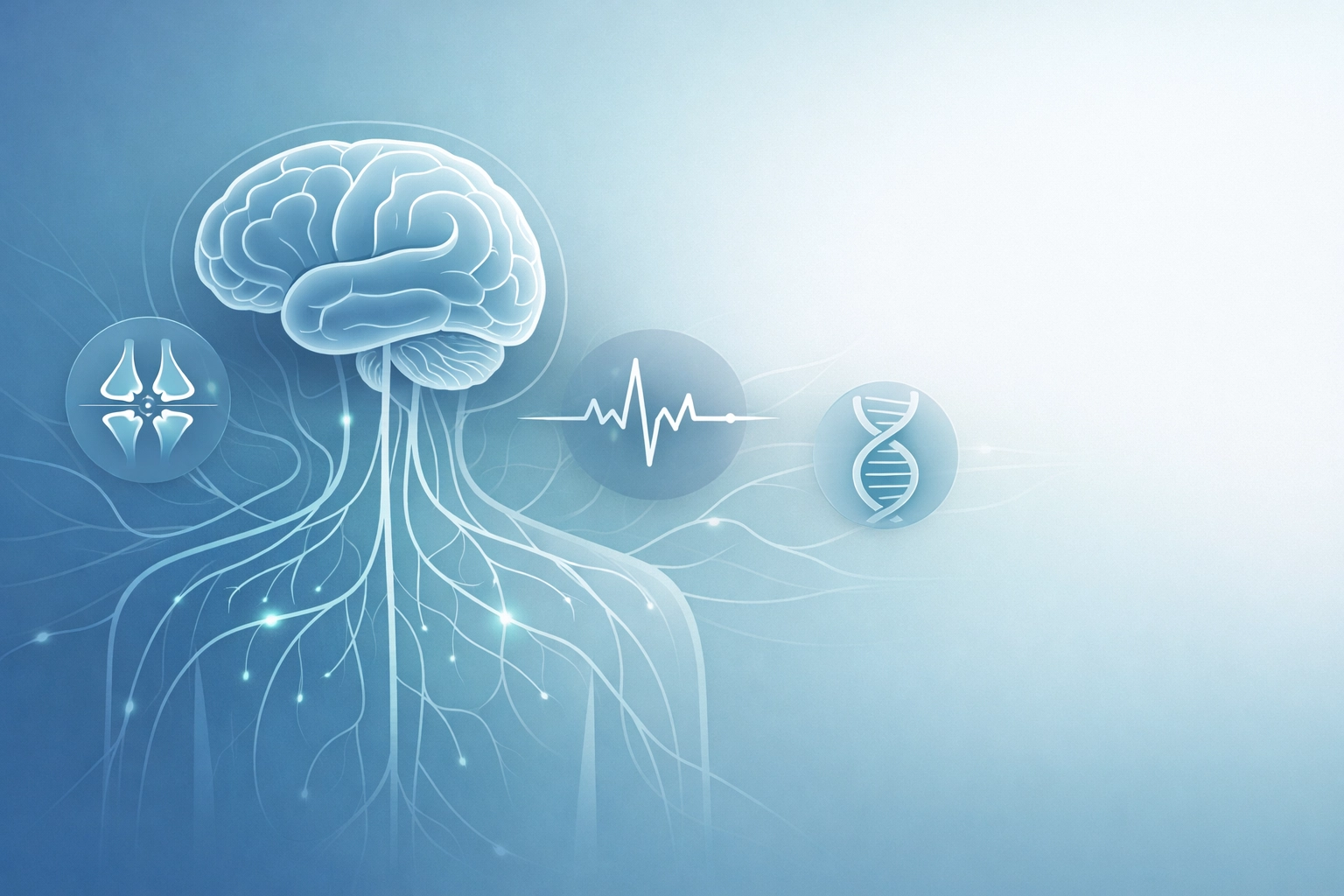
At Thrive Behavioral Health, we understand that addiction is not a moral failing or a lack of willpower. It is a complex, chronic condition that fundamentally reshapes the most vital aspects of our lives. To truly begin the journey of healing, it is essential to understand how addiction impacts the brain, the body, and the intricate web of our relationships. By demystifying these effects, we can move away from shame and toward the supportive, actionable guidance necessary for a transformative recovery.
The Rewiring of the Mind: How Addiction Changes the Brain
The human brain is a marvel of biological engineering, designed to reward us for behaviors that support our survival: like eating a good meal or spending time with loved ones. This reward system is powered largely by dopamine, a neurotransmitter that signals pleasure and reinforcement. However, addictive substances hijack this delicate system.
When a substance is introduced, it creates an exaggerated surge of dopamine that the brain is not equipped to handle. Over time, in an attempt to maintain balance, the brain begins to compensate by reducing the number and sensitivity of its dopamine receptors. This leads to a phenomenon known as tolerance: the individual requires higher doses of the substance to achieve the same effect or even just to feel "normal."
Beyond the reward system, addiction impacts three critical areas of the brain:
- The Prefrontal Cortex: Often called the "CEO" of the brain, this region is responsible for decision-making, impulse control, and judgment. Addiction reduces neuron activity here, making it significantly harder for an individual to weigh long-term consequences against immediate cravings.
- The Amygdala: This is the brain’s emotional and memory center. Under the influence of addiction, the amygdala becomes hyperactive. It strengthens the emotional memories associated with substance use, making environmental triggers (like a certain location or a stressful day at work) incredibly powerful and difficult to ignore.
- Glutamate Pathways: Elevated levels of glutamate intensify impulsiveness. This chemical shift creates a narrow focus on immediate rewards, often leading to reckless behavior that the individual might never consider in a healthy state.
Even during periods of abstinence, these neurological pathways remain sensitized. This is why recovery is not simply about "stopping," but about the active process of restructuring the brain's pathways through therapy and healthy coping mechanisms.

The Physical Toll: How Substance Use Impacts the Body
While the brain is the control center, the rest of the body often bears the physical brunt of chronic substance use. Because the body is an interconnected system, the damage caused by addiction is rarely localized to just one organ. It ripples through every major system, often leading to long-term health challenges that require specialized clinical care.
The cardiovascular system is frequently one of the first to suffer. Substances like cocaine and methamphetamine can put an immense strain on the heart, increasing the risk of heart attacks and strokes even in young, otherwise healthy individuals. Conversely, alcohol abuse is a well-known precursor to severe liver damage, including cirrhosis and hepatitis, which impairs the body’s ability to filter toxins.
Opioid use presents a different, yet equally dangerous, physical risk: respiratory depression. By slowing down the central nervous system, these substances can cause the lungs to fail, leading to life-threatening oxygen deprivation. Beyond these acute risks, chronic addiction often leads to:
- Weakened immune systems, making the body more susceptible to infections.
- Disrupted sleep patterns, which exacerbate mental health struggles like anxiety and depression.
- Nutritional deficiencies as the focus shifts from self-care to substance seeking.
Understanding these physical effects is not meant to cause alarm, but rather to highlight the importance of a comprehensive approach to health. Healing the body is a foundational step in the broader recovery process.

The Ripple Effect: Addiction and Relationships
Perhaps the most painful aspect of addiction is the way it fractures the connections we hold most dear. Relationships are built on a foundation of trust, communication, and mutual support. Because addiction prioritizes the substance over almost everything else, that foundation often begins to crumble.
In the family unit, addiction can lead to a "shuffling" of roles. Children may take on adult responsibilities (parentification), or partners may become "enablers" in a desperate attempt to keep the peace or protect the loved one from consequences. This creates an environment of constant tension, where every interaction is colored by a mix of fear, resentment, and exhaustion.
Common relationship challenges include:
- The Erosion of Trust: Repeated broken promises: no matter how well-intentioned: eventually lead to a deep-seated skepticism that is difficult to heal.
- Communication Breakdown: Conversations often become circular, revolving around the substance use rather than shared goals, dreams, or daily life.
- Emotional Isolation: Both the person struggling and their loved ones often feel incredibly alone, even when in the same room. The shame associated with addiction frequently prevents families from seeking outside help, leading to further withdrawal.
It is important to remember that these relationship dynamics are a symptom of the disease, not a reflection of the love family members have for one another. Recovery often requires the whole family to engage in healing, learning new ways to communicate and set healthy boundaries.
The Path to Healing: Neuroplasticity and Recovery
While the effects of addiction on the brain, body, and relationships are profound, they are not permanent. One of the most encouraging concepts in modern psychology and neuroscience is neuroplasticity: the brain’s ability to reorganize itself by forming new neural connections throughout life.
Healing is a manageable shift that happens one step at a time. It begins with a professional substance use assessment to determine the right level of care and continues through consistent, structured support.
How Healing Happens:
- Therapeutic Intervention: Evidence-based therapies like Cognitive Behavioral Therapy (CBT) help individuals recognize and change the thought patterns that lead to substance use.
- Physical Restoration: Through proper nutrition, medical care, and regular movement, the body can begin to repair organ damage and restore hormonal balance.
- Community and Accountability: Group therapy and support networks provide a mirror for the individual, showing them they are not alone and providing a safe space to practice new social skills.
- Rebuilding Trust: With time and consistent action, relationships can be repaired. This often involves learning "emotional intelligence" and how to navigate conflict without the use of a substance.

Moving Forward with Hope
Navigating the complexities of addiction can feel like wandering through a thick fog, but there is a clear path toward the light. If you or a loved one is experiencing the heavy toll of substance use on your health or your home life, know that help is available and recovery is possible.
At Thrive Behavioral Health, we provide a compassionate, professional environment where you can explore these challenges without judgment. Whether you are seeking a DUI assessment, intensive outpatient care, or simply a place to start the conversation, we are here to serve as your mental health guide.
The transition from addiction to recovery is a journey of a thousand small moments: choosing a different path after a stressful day, having an honest conversation with a partner, or simply showing up for yourself. These moments add up to a life of stability, health, and deep connection.
If you’re ready to take that first step toward a healthier version of yourself, we invite you to reach out. Visit our contact page or explore our patient resources to learn more about how we can support your unique path to healing. In this fast-paced world, you don't have to carry the weight alone. Together, we can build a recovery plan that works for your real life.