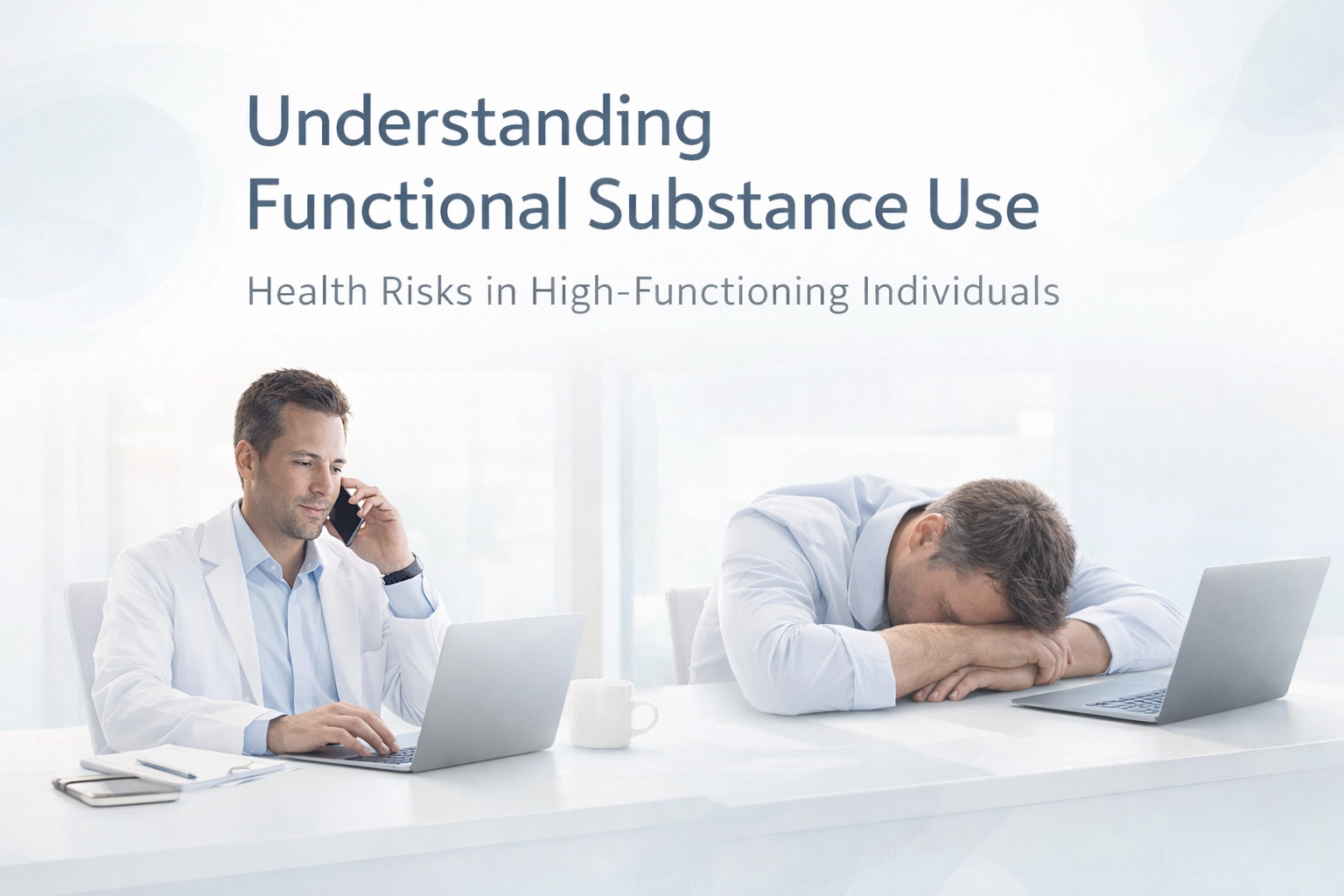
In today’s fast-paced world, the pressure to "have it all" can be overwhelming. We are often measured by our productivity, our professional titles, and the seamless way we manage our households, errands, and social commitments. For many, this drive for success creates a unique internal monologue: “If I’m still hitting my targets at work, picking the kids up from practice on time, and keeping the house clean, then my drinking or drug use isn’t really a problem.”
This sentiment is common among high-functioning individuals who struggle with substance use. Because the external markers of a "typical" addiction: job loss, legal trouble, or visible health decline: aren't present, it is easy to believe that everything is under control. However, functionality is often a mask rather than a shield. At Thrive Behavioral Health, we understand that maintaining a successful life while managing a hidden dependency is an exhausting, lonely experience that eventually takes its toll on your physical and emotional well-being.
The Illusion of Stability: Why Functionality Masks the Truth
The concept of a "high-functioning" person with a substance use disorder is one of the most misunderstood aspects of behavioral health. These individuals often go unnoticed because they do not fit the societal stereotype of someone struggling with addiction. They are the doctors, lawyers, teachers, and parents who continue to show up, often excelling in their roles while simultaneously managing a private reliance on alcohol or prescription medication.

Maintaining this facade requires an incredible amount of energy. You might find yourself meticulously planning when you can start drinking or using, ensuring you have enough "recovery time" before the next morning’s meeting. You might rationalize your habits by telling yourself that you only buy high-end spirits or that your substance use is a necessary "reward" for a high-stress lifestyle. This cognitive dissonance creates a false sense of security, leading many to delay seeking addiction treatment in Maple Valley, WA, until the internal damage becomes impossible to ignore.
The Hidden Physical Toll
While the outside world sees a person who is healthy and capable, the body often tells a different story. Substance use, even when it doesn't lead to immediate social collapse, causes significant physiological damage over time. Because high-functioning individuals are often focused on maintaining their appearance, they may dismiss subtle warning signs as "stress" or "getting older."
Physical indicators that substance use is becoming harmful include:
- Persistent Fatigue: Feeling constantly drained, even after a full night’s sleep.
- Digestive and Neurological Issues: Chronic stomach pain, ulcers, or unexplained tremors and shaking in the morning.
- Sleep Disturbances: Relying on substances to fall asleep, only to experience poor-quality rest and early morning wakefulness.
- Cognitive Fog: Difficulty concentrating or experiencing frequent memory "glimmers" or blackouts where periods of time are unaccounted for.
Long-term, "functional" alcohol use can lead to serious conditions such as liver disease, hypertension, and a weakened immune system. The danger lies in the fact that these conditions often develop silently. By the time physical symptoms become severe enough to disrupt daily life, the dependency is usually deeply entrenched.
The Emotional and Mental Tax of "Keeping Up Appearances"
Perhaps the most exhausting part of high-functioning substance use is the emotional burden. Living a double life creates a profound sense of isolation. You may feel like no one truly knows you, and the fear of being "found out" can trigger a cycle of anxiety and depression. This mix of excitement, stress, and anxiety often drives further substance use as a way to self-medicate the very feelings the substance is creating.
When you are high-functioning, you become an expert at compartmentalization. You can lead a board meeting with confidence in the morning while feeling a deep sense of shame about your behavior the night before. This emotional disconnect can lead to:
- Chronic Guilt: A nagging feeling that you are being dishonest with those you love most.
- Irritability: Snapping at family members or colleagues when you aren't using or when your routine is disrupted.
- Emotional Numbness: Losing interest in hobbies or activities that used to bring you joy, finding that you only feel "normal" when you are under the influence.
Treating these co-occurring issues is vital. At Thrive, we recognize that anxiety and depression are often intertwined with substance use, and both must be addressed to achieve long-term wellness.

The Strain on Relationships and Family Life
Even when work performance remains high, relationships are often the first area where the cracks begin to show. High-functioning individuals may become "emotionally unavailable" to their partners or children. You might be physically present at the dinner table or a school event, but mentally you are calculating how much longer it will be until you can have a drink or use your substance of choice.
This secrecy erodes trust. Loved ones may sense that something is off but feel unable to speak up because "everything looks fine" on paper. This creates a confusing environment for families, especially children, who may pick up on the tension and inconsistency without understanding the cause. Addressing how substance use impacts the family unit is a critical step in the healing process, moving away from blame and toward shared understanding and boundaries.
Recognizing the Signs: When Is It Time to Reach Out?
Because the "rock bottom" for a high-functioning person doesn't always involve a job loss or a DUI, it can be difficult to know when to ask for help. It is important to remember that you don't have to wait for your life to fall apart before you decide to make it better.
If any of the following ring true for you, it may be time to explore patient resources or an initial assessment:
- Increased Tolerance: You need more of the substance to achieve the same "relaxed" feeling.
- Failed Attempts to Quit: You’ve promised yourself you’ll take a "dry month" or only drink on weekends, but you find yourself breaking those rules repeatedly.
- Defensiveness: You feel angry or defensive when a loved one mentions your habits.
- Routine Centered Around Use: Your social life and relaxation time are entirely dependent on the presence of alcohol or drugs.

Functionality Is a Stage, Not a Destination
It is a difficult truth to accept, but high-functioning substance use is almost always progressive. The mental and physical energy required to maintain the facade eventually runs out. What feels manageable today: the "functional" drinking or the "controlled" prescription use: often evolves into a state where the substance begins to dictate your choices, your health, and your future.
The good news is that you don't have to wait for a crisis to choose a different path. Seeking support early allows you to address the underlying issues: whether they be trauma, work stress, or mental health challenges: before they lead to a total breakdown of the life you’ve worked so hard to build.
Moving Toward a Life of True Vitality
At Thrive Behavioral Health, we offer a professional and compassionate environment for those looking for addiction treatment in Maple Valley, WA. We understand the complexities of your life and the importance of maintaining your responsibilities while you heal. Our approach is not about shaming or stripping away your accomplishments; it is about helping you find a way to live that doesn't require a substance to cope with the day-to-day.

Recovery for the high-functioning individual often involves learning new ways to manage stress, rediscovering emotional intimacy with loved ones, and reclaiming a sense of authentic self-worth that isn't tied to a "functional" facade. It is a transformative journey that moves you from simply surviving and "getting by" to truly thriving.
If you’re tired of the secrecy and the constant effort of maintaining appearances, know that there is a supportive community ready to help you navigate this transition. You can read more about different approaches to mental health care or reach out to us directly to start a conversation.
The life you've built is worth protecting. Taking the step to ask for help isn't a sign of failure: it's the ultimate act of high-functioning wisdom. For more information or to see how we can help, visit our about us page or browse our blog for more insights on the path to recovery.